
Nossos Serviços
Soluções completas em inspeção e certificação marítima
Serviços independentes, precisos e confiáveis para operações mais seguras e eficientes.
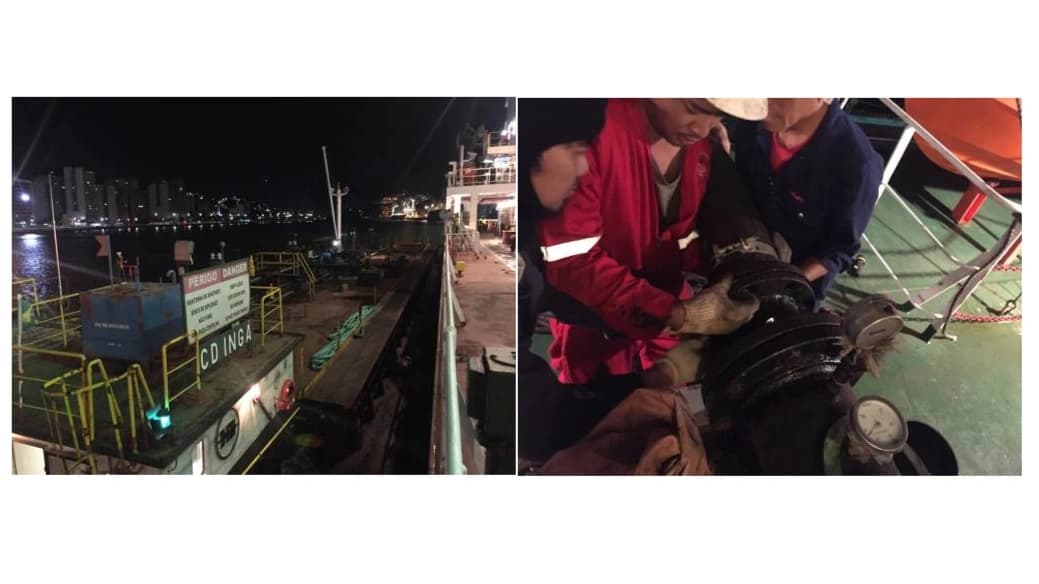
BUNKER QUANTITY SURVEY (BQS)
The Quantity Bunker Survey (QBS) is a fuel quantity inspection conducted on board a vessel before and/or after bunkering, aimed at accurately determining the actual amount of fuel received or consumed. QBS is based on physical measurements of the ship’s fuel tanks (soundings/ullages), temperature and density corrections, and the application of tank calibration tables. The final quantity is calculated as the difference between the volume before and after bunkering.
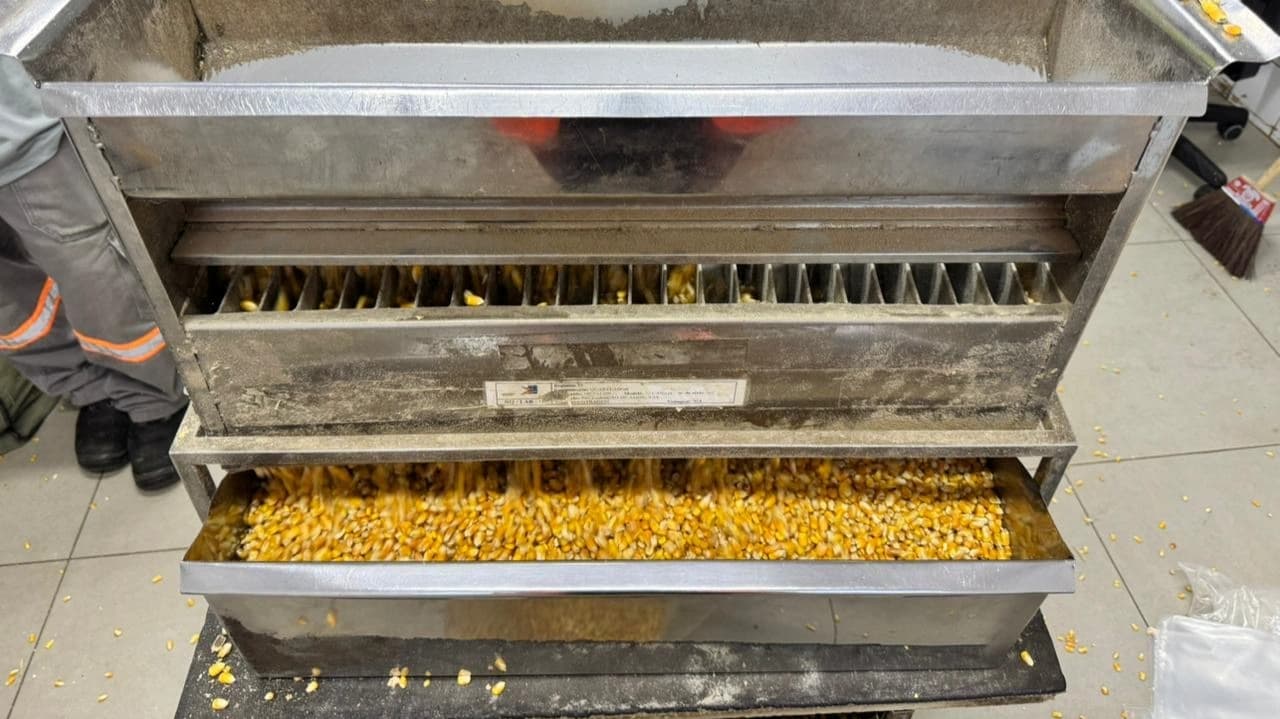
Loading Supervision of Grains
Grain sampling during the ship's loading is an essential service to ensure quality, safety, and contractual compliance in export operations. Sampling conducted during loading allows for an accurate and representative assessment of the product, confirming parameters such as moisture content, impurities, grain integrity, and overall cargo condition.
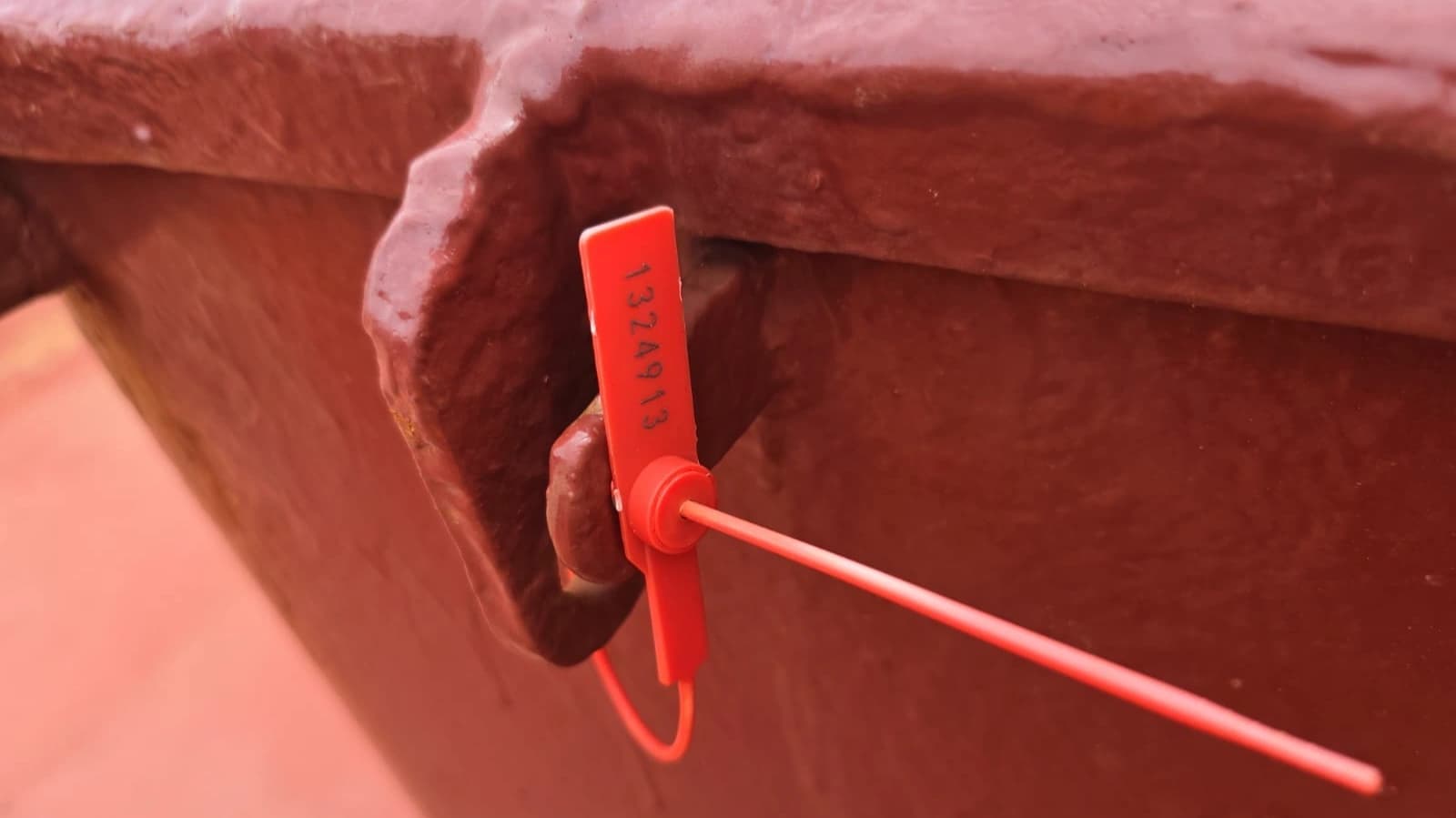
Cargo Hold Sealing
Sealing the cargo holds after vessel loading is a critical step to ensure the integrity, security, and traceability of the cargo throughout the voyage. This procedure guarantees that the cargo remains protected against unauthorized access, contamination, or tampering, preserving its original condition until arrival at the port of destination. For sensitive cargoes such as grains, soybeans, fertilizers, and food products, hold sealing is essential to maintain quality and contractual compliance. In addition to meeting the requirements of charterparties, port authorities, and international regulations, cargo hold sealing provides commercial and legal protection, serving as physical evidence of cargo integrity. In the event of seal tampering, responsibilities can be clearly identified, supporting insurance claims and P&I matters. By sealing the cargo holds, we deliver transparency, security, and confidence, ensuring that the cargo reaches its destination as agreed, without unnecessary risks.
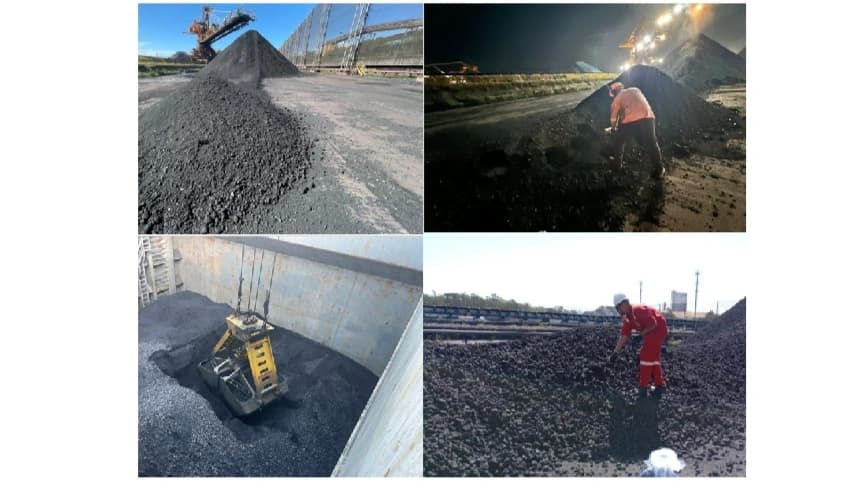
Loading / Discharging Supervision of Coal/Coke
Loading & Discharging Supervision of Coal/Coke during loading or discharge are essential services to ensure product quality, safety, and contractual compliance. Supervision and sampling provide a representative sample that allows the assessment of critical parameters such as ash content, moisture, sulfur, particle size, and more.
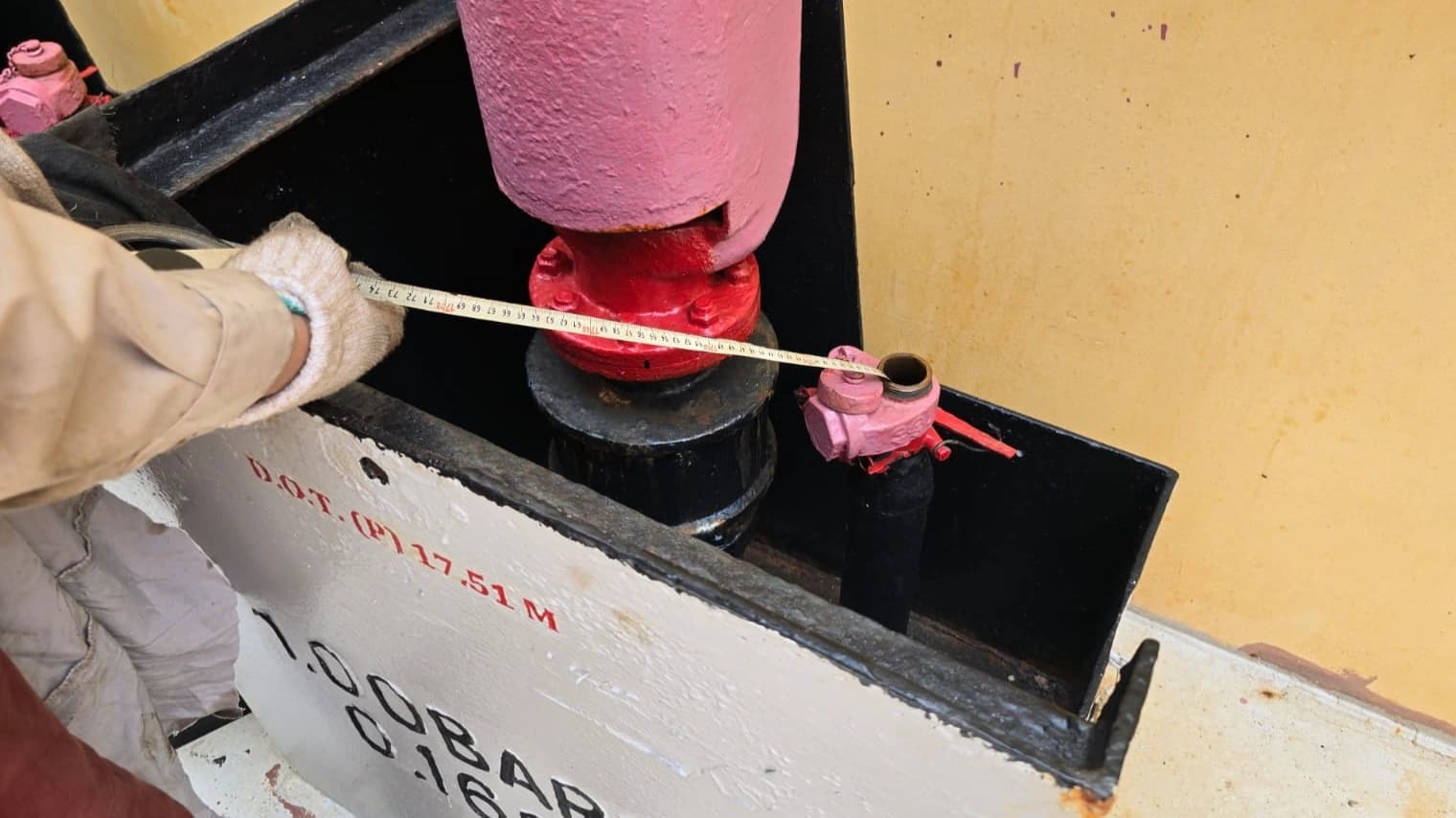
On/Off Hire Bunker Survey
On/off Hire Bunker Survey are specific inspections carried out to verify and record the quantity of fuel (bunkers) on board a vessel at the beginning and end of a charter period, usually under a time charter agreement. On-Hire Bunker Survey establishes the initial quantity of fuel on board, while the Off-Hire Bunker Survey confirms the final quantity. Both surveys are essential to ensure accuracy, transparency, and financial security in maritime charter agreements.

Discharging Supervision of Fertilizer
Discharge supervision combined with fertilizer sampling and analysis is an essential service to ensure the quality, compliance, and safety of the product during its transfer from the vessel to the terminal. Throughout the entire discharge operation, our professionals closely monitor each stage of the process, ensuring that the fertilizer is handled properly, with minimal losses and without contamination or operational risks. Representative samples collected during discharge allow for an accurate evaluation of the product’s physical and chemical characteristics, including nutrient content, moisture, particle size, and homogeneity. The analyses performed confirm full compliance with contractual specifications and applicable regulations, providing reliable technical support for cargo acceptance. This level of control is fundamental to prevent financial losses, reduce commercial disputes, and support potential insurance or P&I claims. By engaging discharge supervision with sampling and analysis services, clients benefit from operational transparency, enhanced safety, and commercial protection, ensuring that the received fertilizer meets all required quality standards.
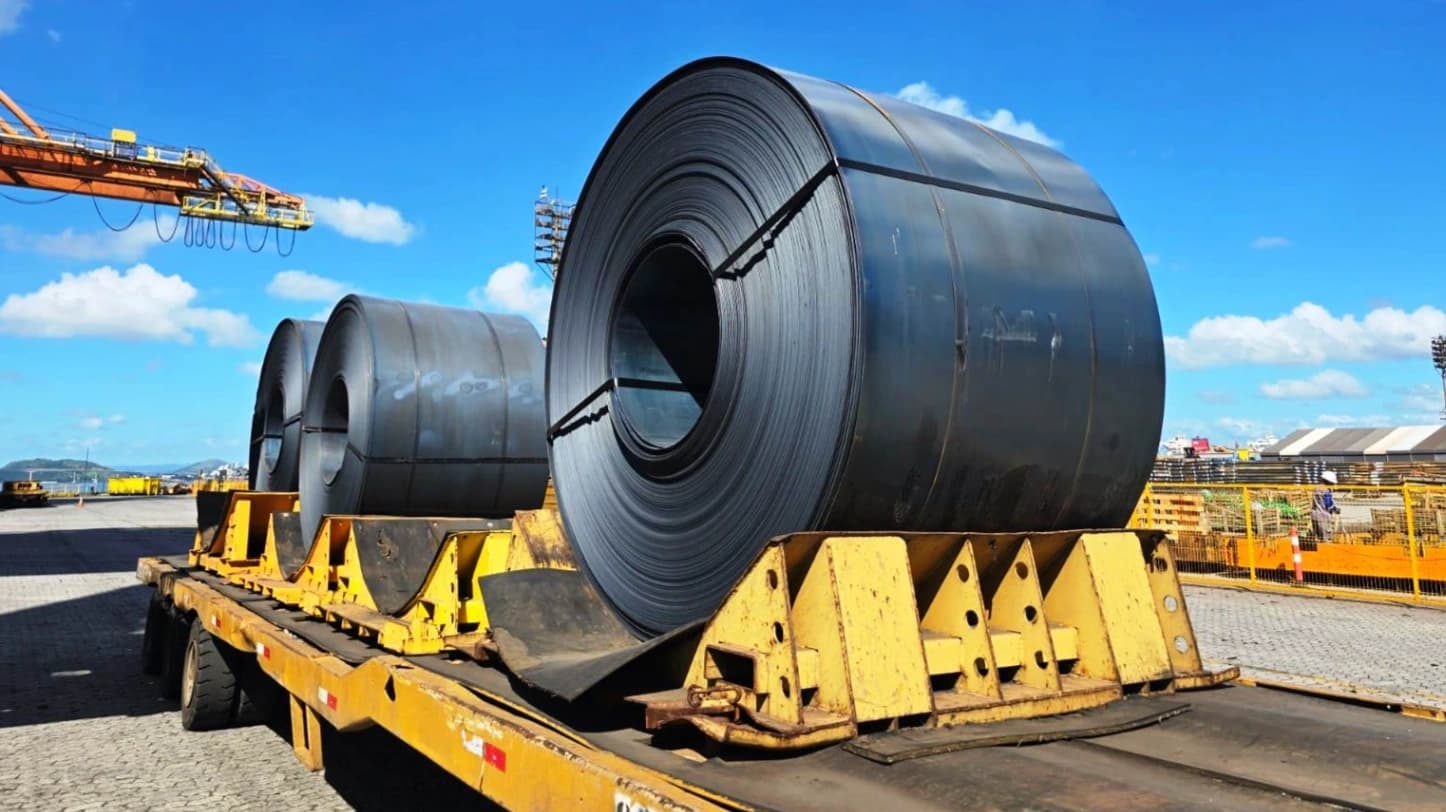
Pre-Loading Survey
Pre-loading Survey (or Pre-Loading Inspection) is an inspection carried out before the cargo is loaded onto the ship, aimed at verifying the condition of the cargo itself and ensuring it complies with the specifications agreed upon in the transport contract. This inspection is crucial to ensure the cargo is ready to be transported safely, without damage, and in accordance with international regulations.
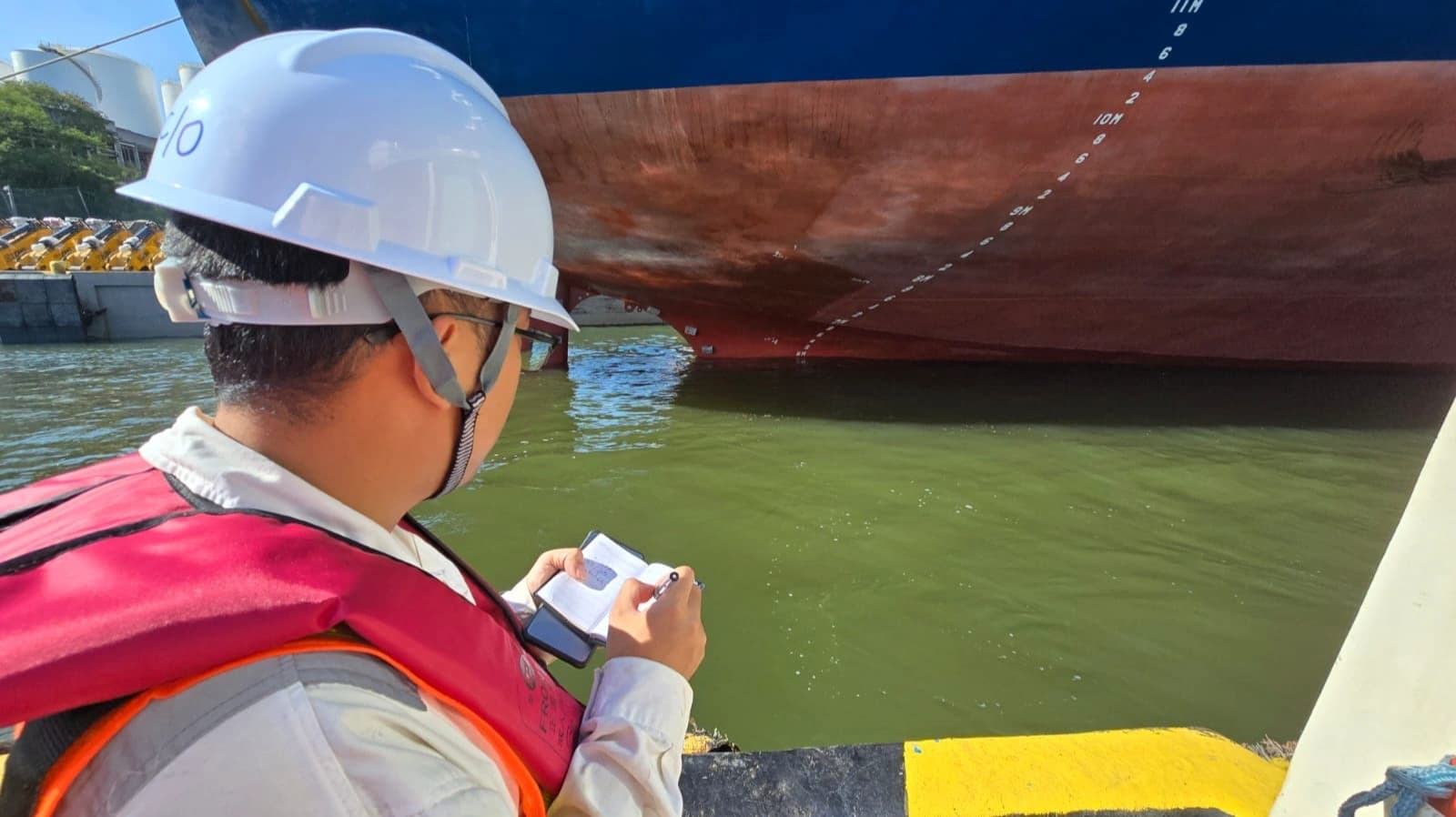
Draft Survey
Draft survey, also known as cargo survey, is a reliable and precise method used to determine the quantity of cargo carried on a vessel. Based on Archimedes’ principle, which states that the volume of fluid displaced by a fully or partially submerged body equals the volume of the submerged portion of the body, this procedure calculates the cargo weight by measuring the difference in the ship’s draft before and after loading or discharge. Our service provides accurate, reliable, and traceable measurements, offering essential data for cargo control, contractual compliance, and operational safety. Professional draft surveys protect the interests of all parties involved, helping to prevent commercial disputes, losses, or inconsistencies in cargo. With the supervision of our experts, you gain transparency, reliability, and commercial protection, ensuring that every loading or discharge operation is conducted efficiently, safely, and accurately.
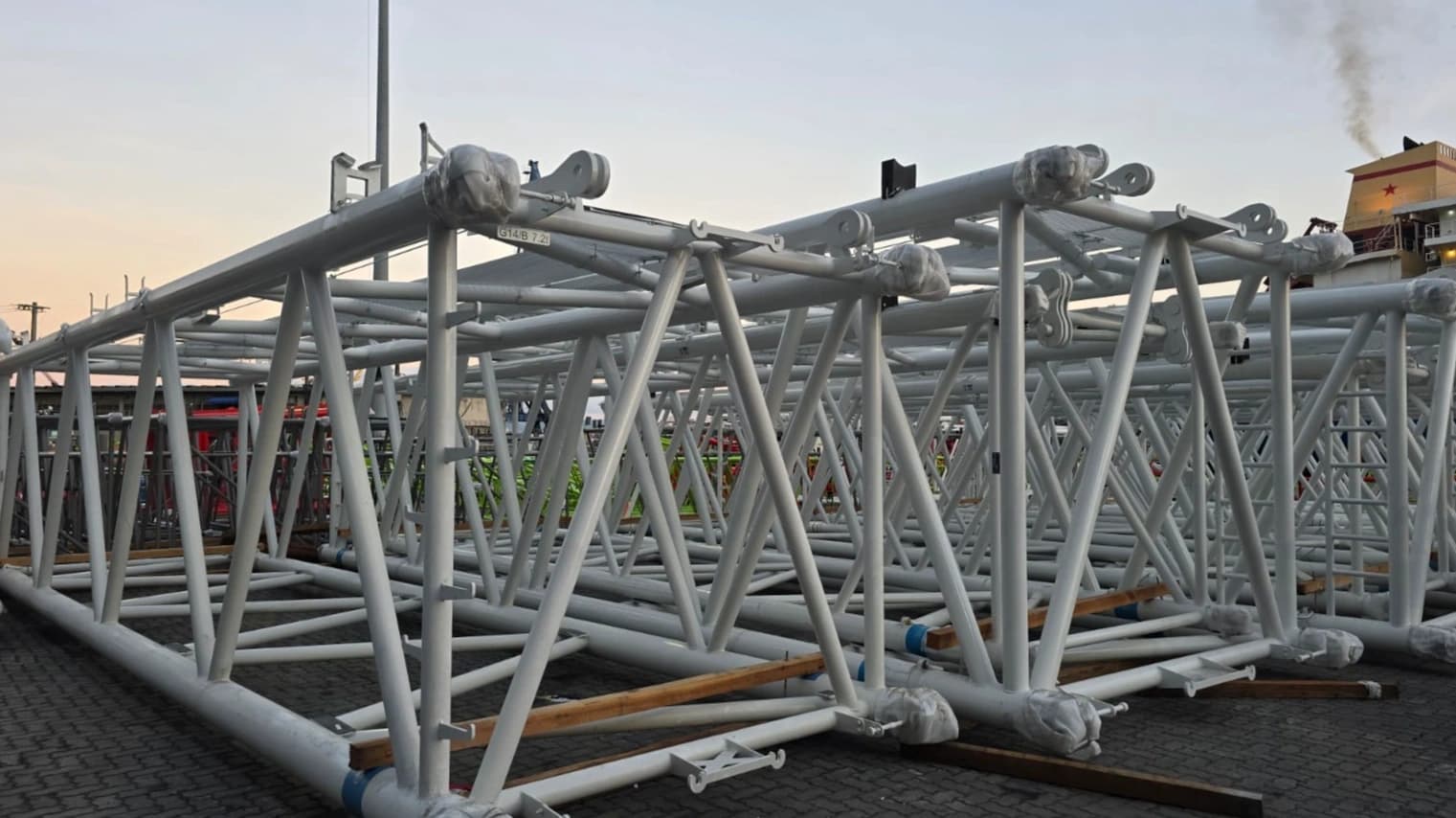
General Cargo & Machinery
Dedicated supervision for general cargo, project cargo, and machinery (Breakbulk). We focus on physical integrity, proper lashing, and safety in handling.
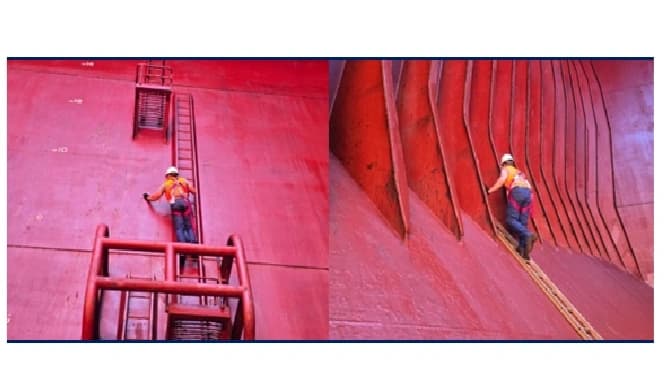
Holds Cleaning Inspection
Hold Cleaning Condition refers to the state of cleanliness and maintenance of a ship's cargo holds, especially on cargo vessels such as bulk carriers, tankers, and general cargo ships. Proper cleaning of these areas is essential to ensure that cargo conditions are safe, that products are transported without contamination, and that the vessel complies with environmental and safety regulations ‘Grain clean’ generally means: ✔ Holds are completely clean and dry; ✔ Free from residues of previous cargoes or debris; ✔ Free from loose rust, paint flakes, odors, insects, or signs of infestation; ✔ Properly ventilated and without residual moisture that could compromise the quality of the soy or grains."
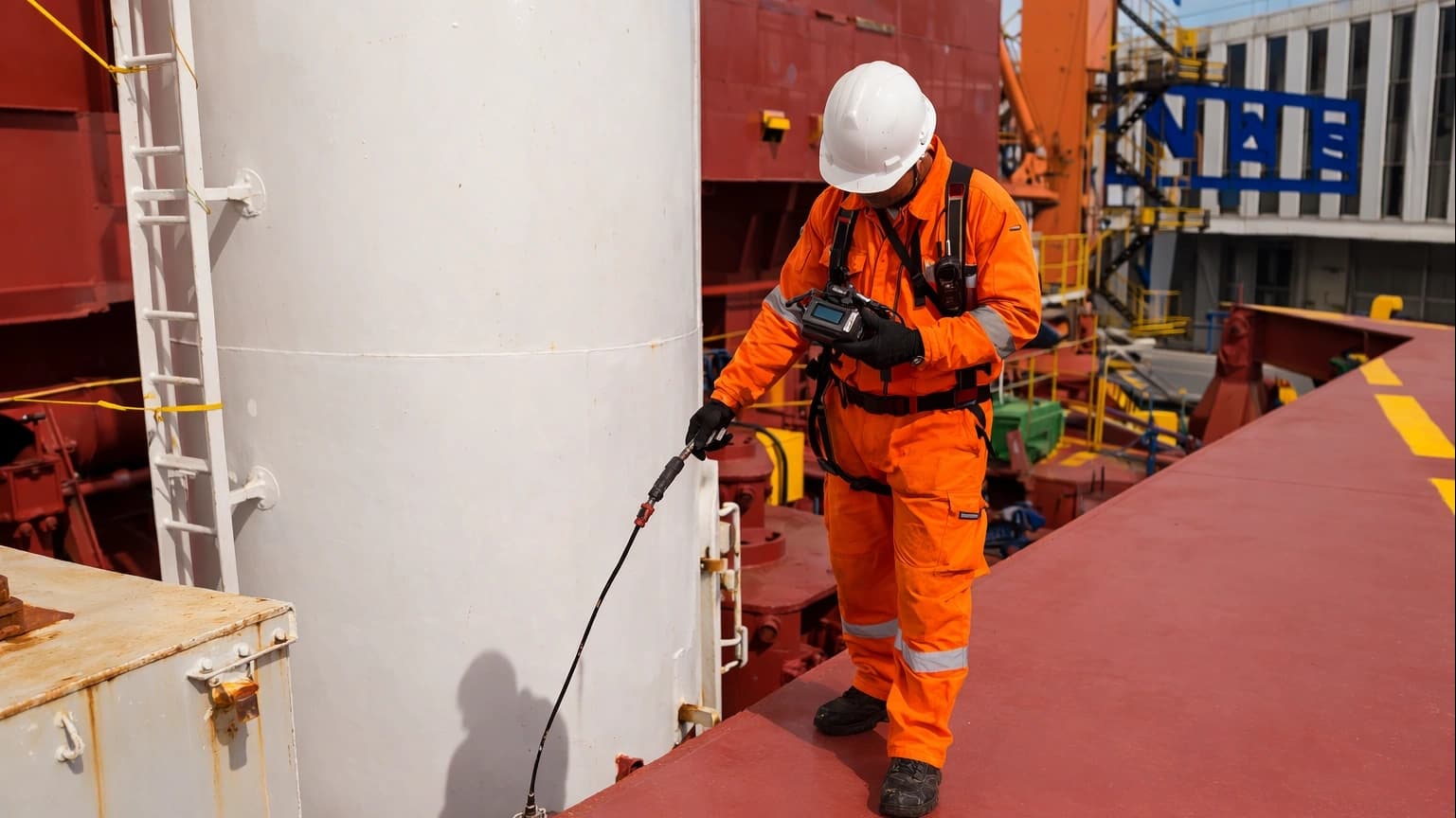
Ultrasonic & Salinity Test
Ultrasonic and salinity test are two fundamental procedures in the maintenance and inspection of vessels, playing a crucial role in ensuring the safety and integrity of cargo, especially during international voyages. Ultrasound testing checks whether the hatch covers of the cargo holds are properly sealed, ensuring that no water, dust, or contaminants can enter. International standards, such as the IMSBC Code, and charterparty requirements mandate that the holds be hermetically sealed and free from leaks. This test helps prevent legal liability for cargo damage and potential disputes with charterers or buyers. Salinity testing ensures that the cargo holds and the cargo are free from salt residues, protecting the quality of the cargo and preventing corrosion of the ship’s structure. Many bulk products, such as grains, soybeans, fertilizers, food products, and even steel products, can be damaged by contact with salts. In addition, it ensures safe operations and compliance with international regulations, preventing legal and financial issues. The combination of ultrasound and salinity testing ensures that the cargo holds are dry, clean, and free of contaminants before loading, protecting the cargo, preventing structural damage to the vessel, and ensuring peace of mind and efficiency throughout the operation. Without these tests, there are significant risks of cargo damage, rejection, accidents, and legal disputes.
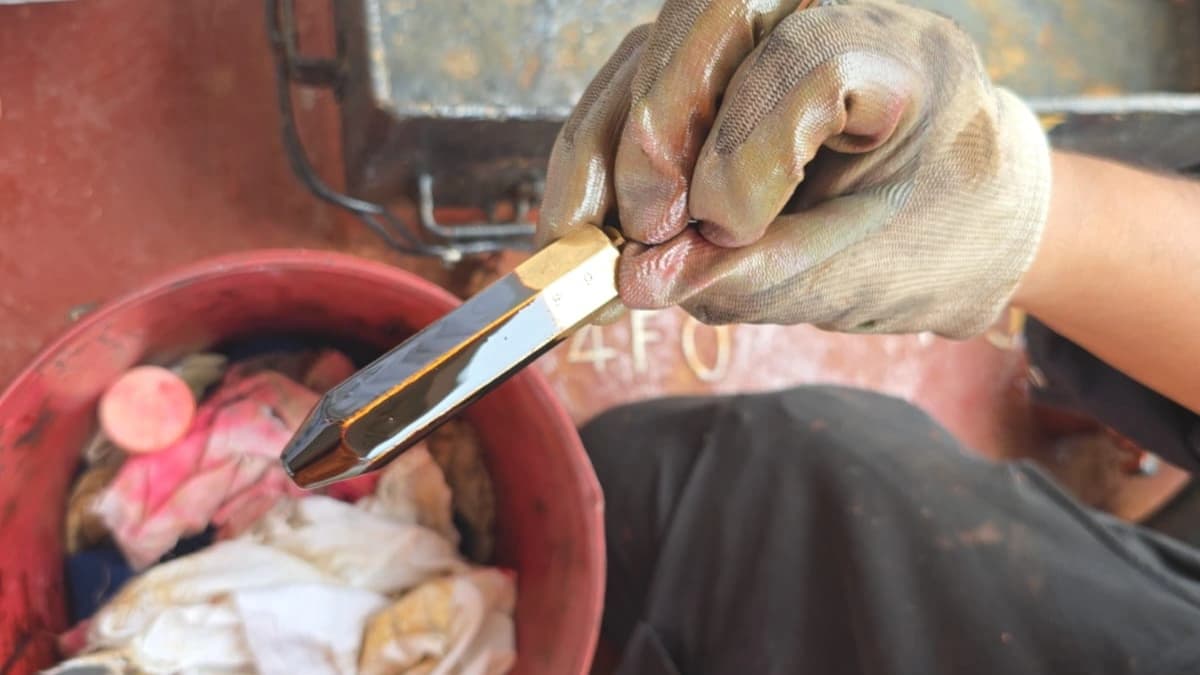
Bunker Detective Survey (221B)
The investigative Bunker Survey is an essential service to ensure transparency, accuracy, and safety in the supply of fuel on chartered vessels. Our work goes beyond simple measurement, providing a detailed analysis of the quantity, quality, and compliance of the bunker fuel to protect the commercial and operational interests of all parties involved.
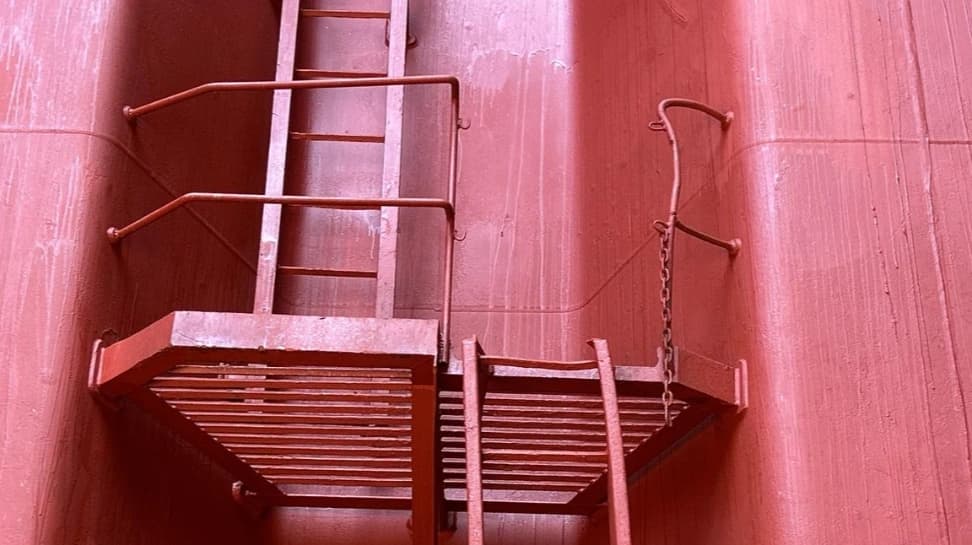
Condition Survey - On/Off Hire
CONDITION SURVEY is an inspection carried out on a vessel before or after a charter agreement, aimed at recording the condition of the hull, holds, machinery, and equipment, as well as any existing damages. This type of survey is crucial to ensure that charter transactions between the shipowner and the charterer are fair and transparent. Importance: Legal protection: Defines responsibilities between the shipowner and the charterer. Operational safety: Confirms that the vessel is fit for navigation and cargo transport. Prevention of losses: Prevents pre-existing damages from causing disputes or additional costs. Contractual compliance: Meets the requirements of charter agreements (Time Charter / Voyage Charter). Commercial summary: The Onhire Condition Survey ensures transparency, safety, and investment protection, serving as the official record of the vessel’s condition at the start of the charter.
Crane Inspection & Test
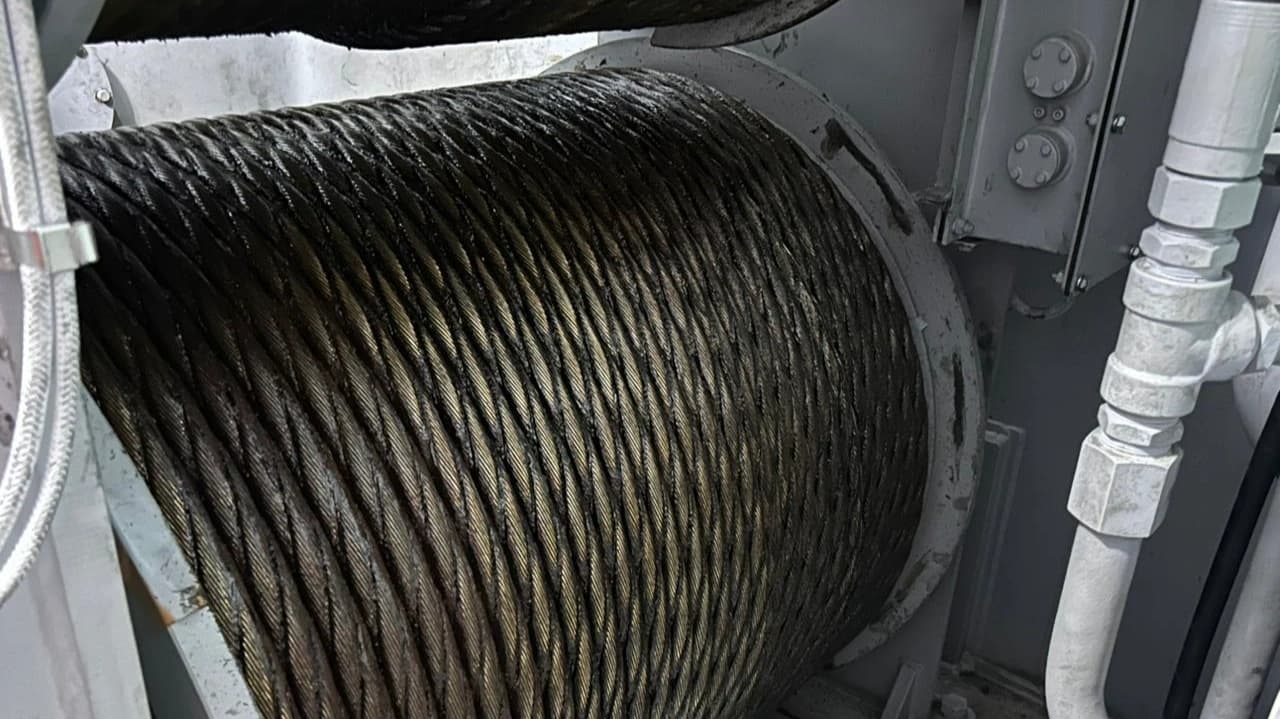
Inspection and testing of shipboard cranes prior to operation are essential to ensure safety, cargo protection, and operational efficiency. These procedures guarantee that operations are conducted safely, in compliance with international standards, and significantly reduce the risk of accidents, cargo damage, or financial losses. Pre-operational inspections prevent serious accidents involving crew members, operators, terminal personnel, or third parties, avoid cargo drops that could cause injuries or losses, and protect both the vessel and the terminal. International standards, such as SOLAS, IMO, and Class Societies, require cranes to be tested regularly and prior to critical operations. During the inspection, the surveyor performs thorough checks, including: Visual inspection: cables, hooks, pulleys, metal structures, and hydraulic systems. Functional testing: movement of booms, cargo lifting, rotation, braking, and operation of load limiters. Safety system evaluation: alarms, locks, overload limiters, and emergency devices. Through this procedure, we ensure safe operations, protection of the cargo and vessel, and full compliance with regulations, providing peace of mind and confidence for all parties involved
Discharging Survey
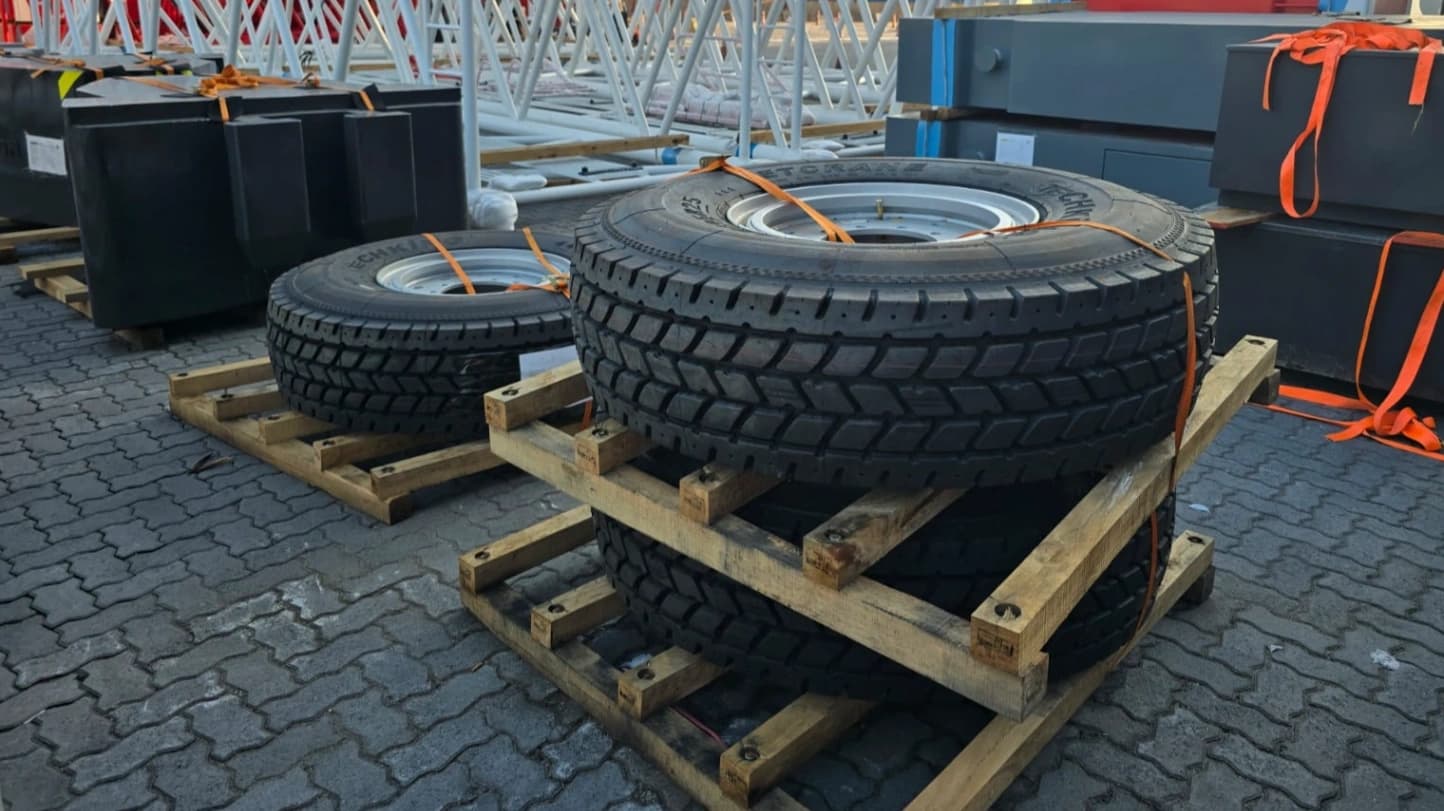
Discharging Survey is carried out during or immediately after the discharge of cargo at the destination port, usually conducted by independent surveyors, shipowners, charterers, or terminal representatives. Its purpose is to verify the condition of both the cargo and the vessel after transportation. By performing the discharge inspection, we ensure that the cargo arrives at its destination in accordance with the contract and all applicable regulations, providing assurance and protection to all parties involved in the transport.